Finger injuries in climbing | kids

Finger injuries in climbing are really common. However, the finger injuries adults sustain are often very different to kids finger injuries. Growth plates (or epiphyseal plate) fractures of the finger occur only in kids and adolescents. As sports like rock climbing become more popular, we are beginning to see more of these injuries in the clinic. In this blog, we will explain what an epiphyseal plate is and how they fracture.
What is growth plate fracture?
A growth or epiphyseal plate is the end of a bone that is still growing. These areas of new bone growth are weaker than surrounding tendons and ligaments.
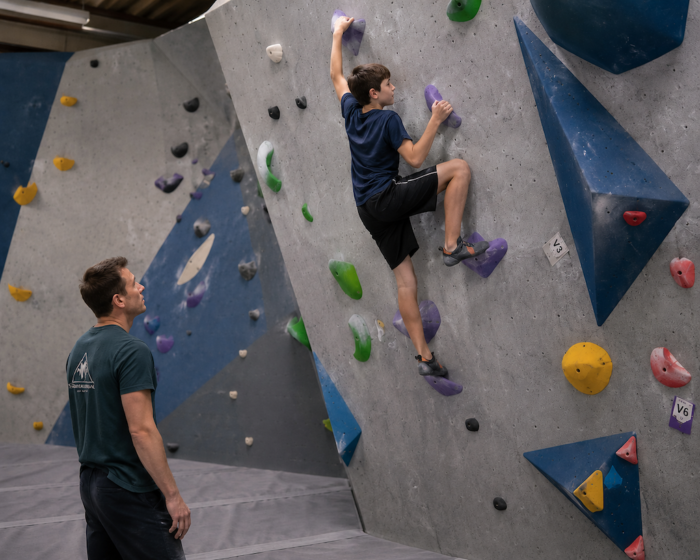
Growth plates are at greater risk of injury when load is progressed too quickly. This can look like climbing 7 hours a week to suddenly climbing 14 hours a week. It can also happen when suffering a direct blow, like catching a cricket ball awkwardly.
Growth plate fractures are not unique to the hand and may be seen in other areas in the body, like the back. Read about this here.
Who is affected?
Growth plate fractures of the finger typically affect kids and adolescents between 10-18, when the epiphyseal plate is present. It is most common during a growth spurt, this is when the bones are growing more rapidly. Growth plates of the finger often fuse after the age of 18 for males and 16 for females.
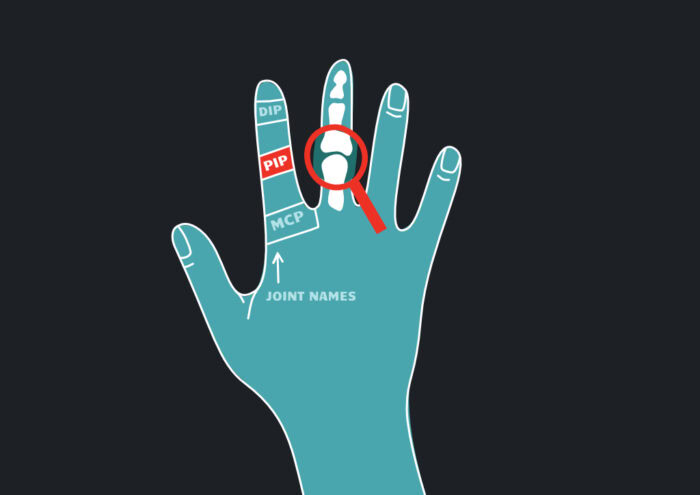
In rock climbers, they most commonly occur at the middle joint of the finger, or the joint closest to the hand. We call these the proximal interphalangeal joint (PIP) and the metacarpal phalangeal joint (MCP). See the diagram above for more context.
How do growth plate fractures occur?
In rock climbing, ‘micro traumas’ can occur from an increase in training load too quickly. This can lead to a stress injury to the epiphyseal plate, causing a fracture if not recognised early.
They can also occur during a sudden, forceful muscle contraction, like jumping dynamically to a really small climbing hold. Sudden injuries like this can also occur in other sports like catching a cricket ball awkwardly, or bending a finger back during a rugby tackle.
What do I do about a growth plate fracture?
If you think your child has a growth plate fracture, or they are complaining of consistent finger pain, it is important that they stop climbing. It is essential to have an assessment and diagnosis by a clinician, who understands finger injuries specific to climbing, and knowledge of paediatric physiotherapy. Follow the link below for more information on diagnosis and treatment, explaining why a stepped approach to rehab is important for a pain free return to climbing.
Here at The Physios, we have a team of specialists who are here to help. If your child is experiencing persistent finger pain, contact our friendly reception team on 0114 2678181 or book an assessment online.