Lumbar bone stress injuries (spondylylosis/pars defect)

Lumbar bone stress injury, spondylolysis, pars defect… call it what you will, they’re all different terms for the same thing.
Lumbar bone stress injuries (LBSI) are one of the most common causes of back pain in adolescents and something we unfortunately see quite frequently here at The Physios. Below is a helpful overview of what it is, who gets it, how we diagnose it and what recovery looks like.
What is a lumbar bone stress injury?
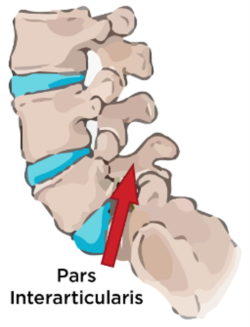
A lumbar bone stress injury is a defect or hairline crack (fracture) of the pars interarticularis — a small bony bridge between the upper and lower joints of a vertebra in the lower back (lumbar spine). Think of it like a tiny crack in a key bit of bone that helps keep the vertebra stable. It most often affects the bottom lumbar levels; especially the fifth lumbar vertebra, L5.
Who gets it?
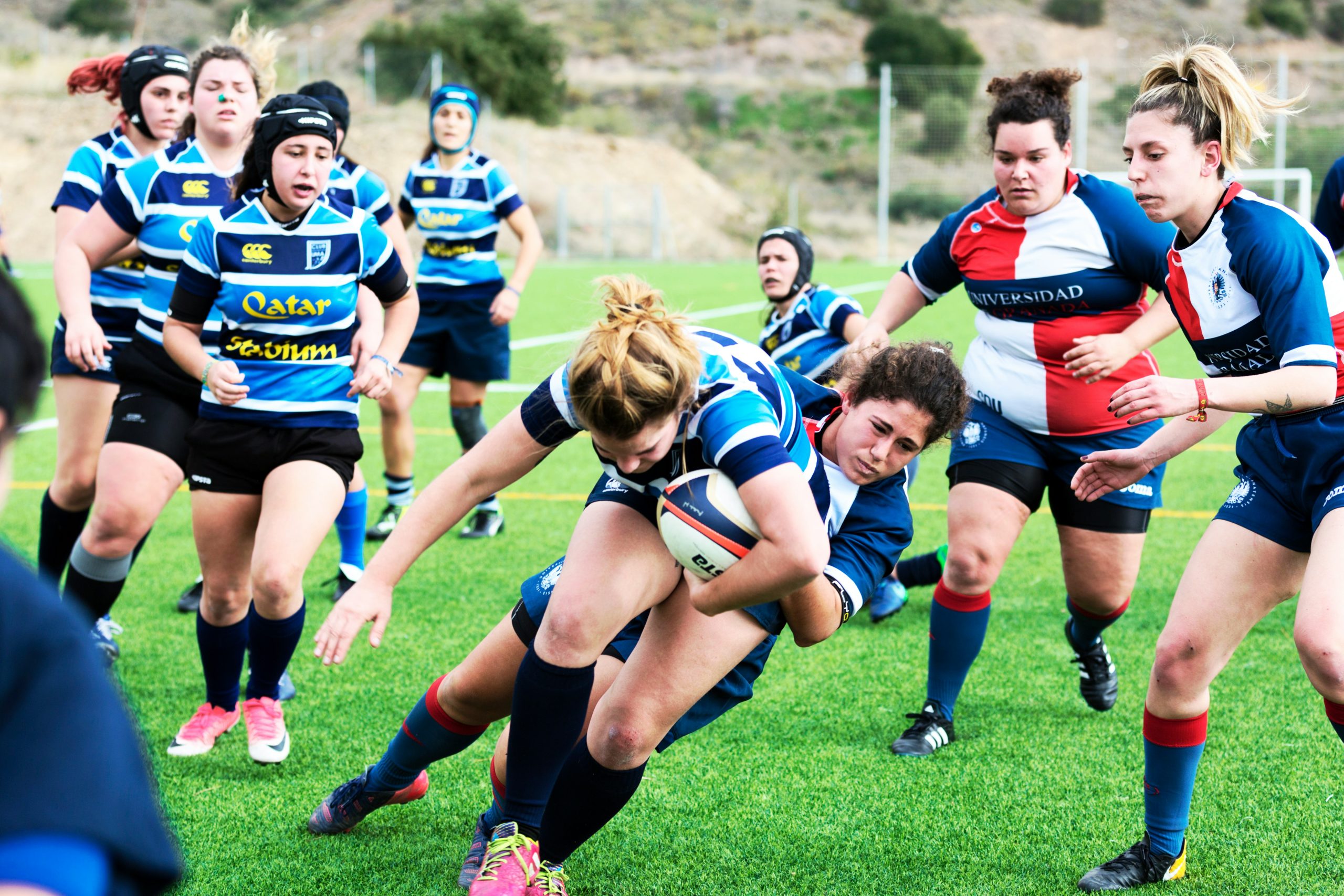
LBSI mainly occur in children and adolescents, especially those who take part in sports with lots of repeated spine extension (backward bending) and rotation — gymnastics, cricket (fast bowling), football, and athletics (both track and field) are common examples. Most cases present during the adolescent growth years (roughly ages 11–18).
Although LBSI most commonly occur in young sporty children, they can occasionally occur in non-sporty individuals.
What causes it?
Spondylolysis is usually a stress (overuse) injury, not a one-off traumatic break. Repeated bending backwards (extension) and twisting places small, repeated forces through the pars. Over time those micro-injuries can progress into a visible defect. Lumbar bone stress injuries are on a continuum from bony bruising (bone marrow oedema) through to a complete crack (fracture) in the vertebrae. Growth spurts, training load (frequency/intensity), and sport-specific movements all contribute to the relative ‘overload’ and increase injury risk.
Typical symptoms
Typical symptoms include:
- Gradual onset low back pain that worsens with activity and improves with rest
- Pain present with activities that involve lower back extension, e.g. jumping, landing, sprinting, throwing
How are lumbar bone stress injuries diagnosed?
A physiotherapist that has undergone specialist training to work with paediatrics will often pick these injuries up based on the history and a clinical examination. They will then commonly refer for an MRI to confirm the diagnosis and assess the extent of the injury.
X-rays aren’t all that helpful as they only show late stage injuries, i.e. when a fracture has already occurred. They don’t pick up LBSI when they’re in the earlier bony bruising phase which is ideally when we want to be picking these up due to having a much better prognosis.
Treatment (in a nutshell!)
Most adolescents with spondylolysis do very well with non-surgical care. This primarily consists of the follow:
- Rest from sport and provocative activity is key to allowing the injury to heal- how long will depend upon the severity of the injury
- Pain relief such as paracetamol can be used if needed, although often with appropriate rest, the pain resolves within a couple of weeks
- Physiotherapy is the main treatment for LBSI
- This will involve a progressive rehabilitation programme with the end goal typically being full return to sport
In the instance of a more severe injury or in the case of persistent pain following a LBSI, a referral to a orthopaedic spinal consultant may be required. They may suggest bracing or in rare cases surgery.
When should I get my child seen?
It is not normal for children to have back pain therefore we’d always recommend getting a child with low back pain checked by a physiotherapist with a special interest in paediatrics.
Lumbar bone stress injuries have a much better prognosis when they are picked up early. The pain associated with these injuries typically settles well in response to rest and returns with activity. The biggest mistake we see is children being repeatedly sent back to sport because the pain appears to have settled. The pain then recurs when the child returns to sport. This cycle results in a more advanced injury and a worse long term prognosis. This can be avoiding if the injury is picked up in the early stages.
As a general rule, be sure to get your child looked at if:
- The pain is severe, keeps recurring, or has not settled within 10-14 days
- Is accompanied by any neurological symptoms such as tingling or numbness
- The pain is consistently aggravated with sport and eases with rest
To arrange an assessment, or if you have any questions, call our friendly reception team on 0114 267 8181. They will arrange for your child to be booked in with the most appropriate member of our team. To read more about other causes of back pain in children here.