Toe walking in kids

It is common for young children to spend some time walking on their toes as they learn to move around and develop balance and co-ordination. In many cases, children grow out of this naturally. However, if toe walking continues beyond the early toddler years, parents may begin to wonder whether it is something that needs further assessment or treatment.
Toe walking can sometimes be linked to tight muscles, movement habits, or underlying developmental conditions. Early assessment can help identify the cause and ensure children receive the right support to improve their walking pattern, movement, and confidence. Read on to learn more about the condition and how specialist paediatric physiotherapy can help.
What is toe walking?
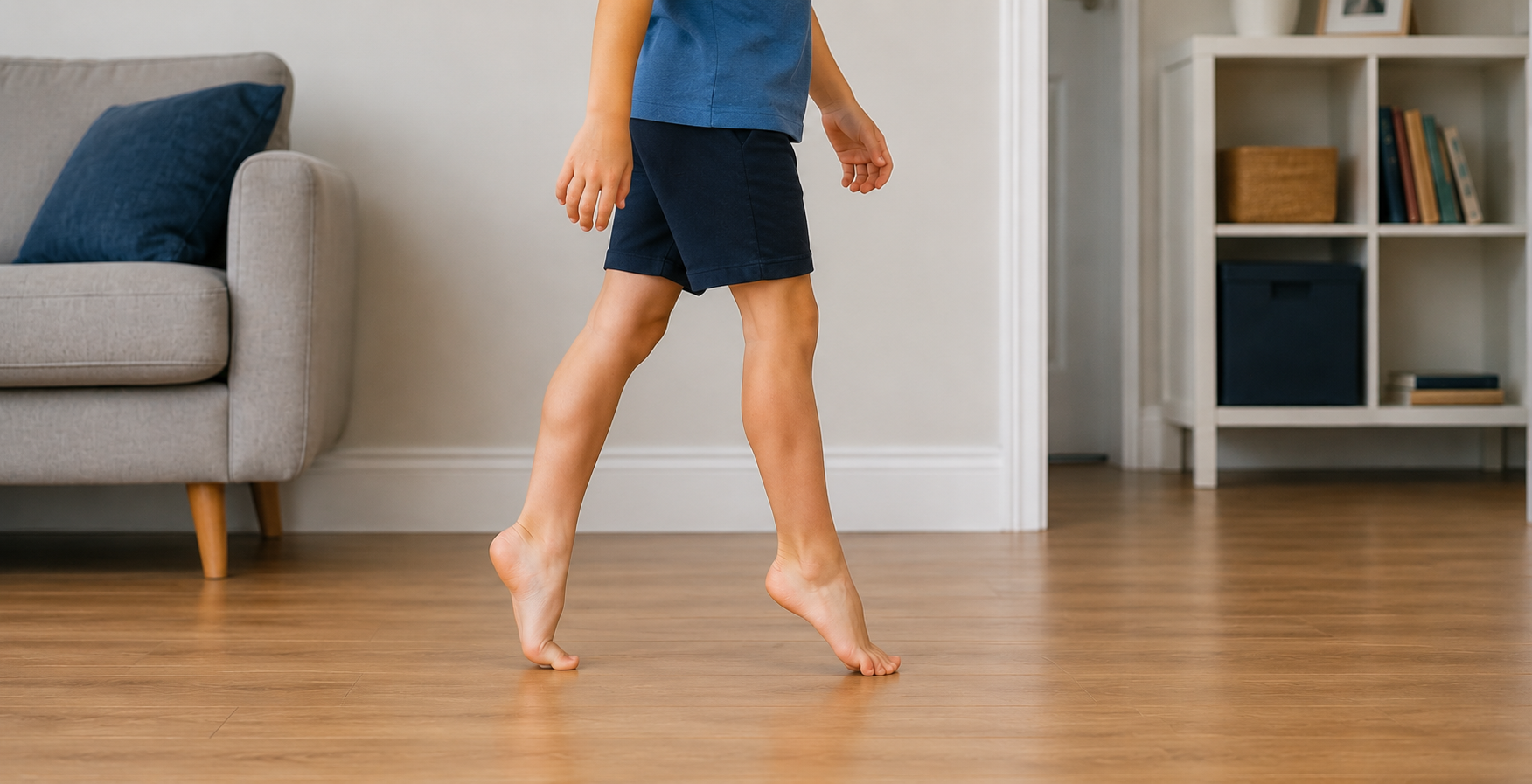
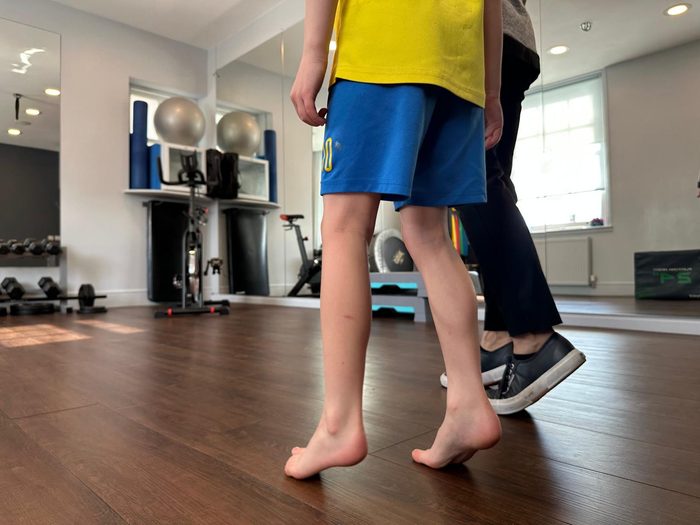
Toe walking is a walking pattern where a child walks on the balls of their feet without the heels touching the ground properly. It is can be observed in toddlers who are learning to walk and may come and go during early development.
Most children develop a typical heel-to-toe walking pattern by around the age of two. If toe walking continues after this age, occurs most of the time, or becomes more noticeable over time, it is worth getting your child seen by their GP or a paediatric physiotherapist.
What causes it?
There are several possible causes of toe walking in children. In some cases, there may be no identifiable medical cause, which is known as idiopathic toe walking. This simply means a child has developed the habit of walking on their toes despite otherwise typical development.
Other possible causes can include:
- Tight calf muscles or Achilles tendons
- Delayed motor development
- Neurological conditions such as cerebral palsy
- Developmental or sensory processing conditions including autism spectrum disorder
A detailed assessment is important to determine whether the toe walking is part of normal development or linked to another condition requiring further support.
How is toe walking treated?
Treatment for toe walking depends on the child’s age, the severity of the walking pattern and the underlying cause.
In some younger children, monitoring and simple exercises may be enough if they are gradually developing a normal walking pattern. Where toe walking persists, treatment may include:
- Physiotherapy- for stretching, strengthening and balance exercises
- Gait retraining to encourage heel-to-toe walking
- Footwear advice
- Orthotics or splints where appropriate
- Serial casting in more persistent cases
- Referral to a paediatric specialist if further investigations are needed
Early intervention can help prevent muscle tightness and improve movement patterns before they become more established.
How Physiotherapy Can Help
Paediatric physiotherapy plays an important role in assessing and managing toe walking in children. A physiotherapist will look at how your child walks, their muscle strength and flexibility, balance, co-ordination and overall development.
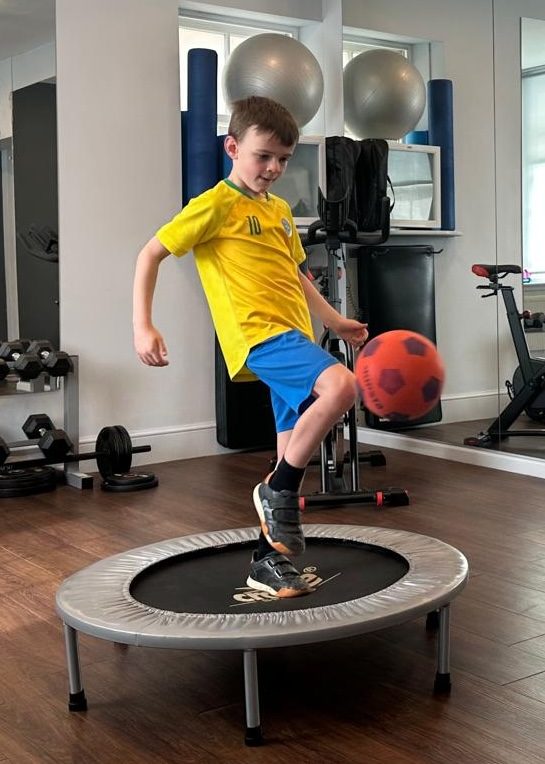
Treatment is designed to be child-friendly and engaging, often using play-based activities to encourage movement and participation. Physiotherapy can help to:
- Improve ankle flexibility and calf muscle length
- Strengthen muscles involved in walking and balance
- Encourage a more natural walking pattern
- Improve co-ordination and posture
- Support confidence with movement and physical activity
If you are concerned that your child is toe walking, contact our friendly reception team on 0114 2678181 to book an assessment with one of our paediatric physiotherapy specialists. See our Paediatric Hub for information on other common paediatric conditions that we treat.