Calcaneal Apophysitis | Sever’s Disease

What is calcaneal apophysitis?
Calcaneal apophysitis, or Sever’s disease as it is formerly known, is a common cause of heel pain in children aged approximately 8–14 years. It affects the growth plate (apophysis) at the back of the heel bone (calcaneus), where the Achilles tendon attaches. During periods of rapid growth, this area is particularly vulnerable to irritation from repetitive stress.
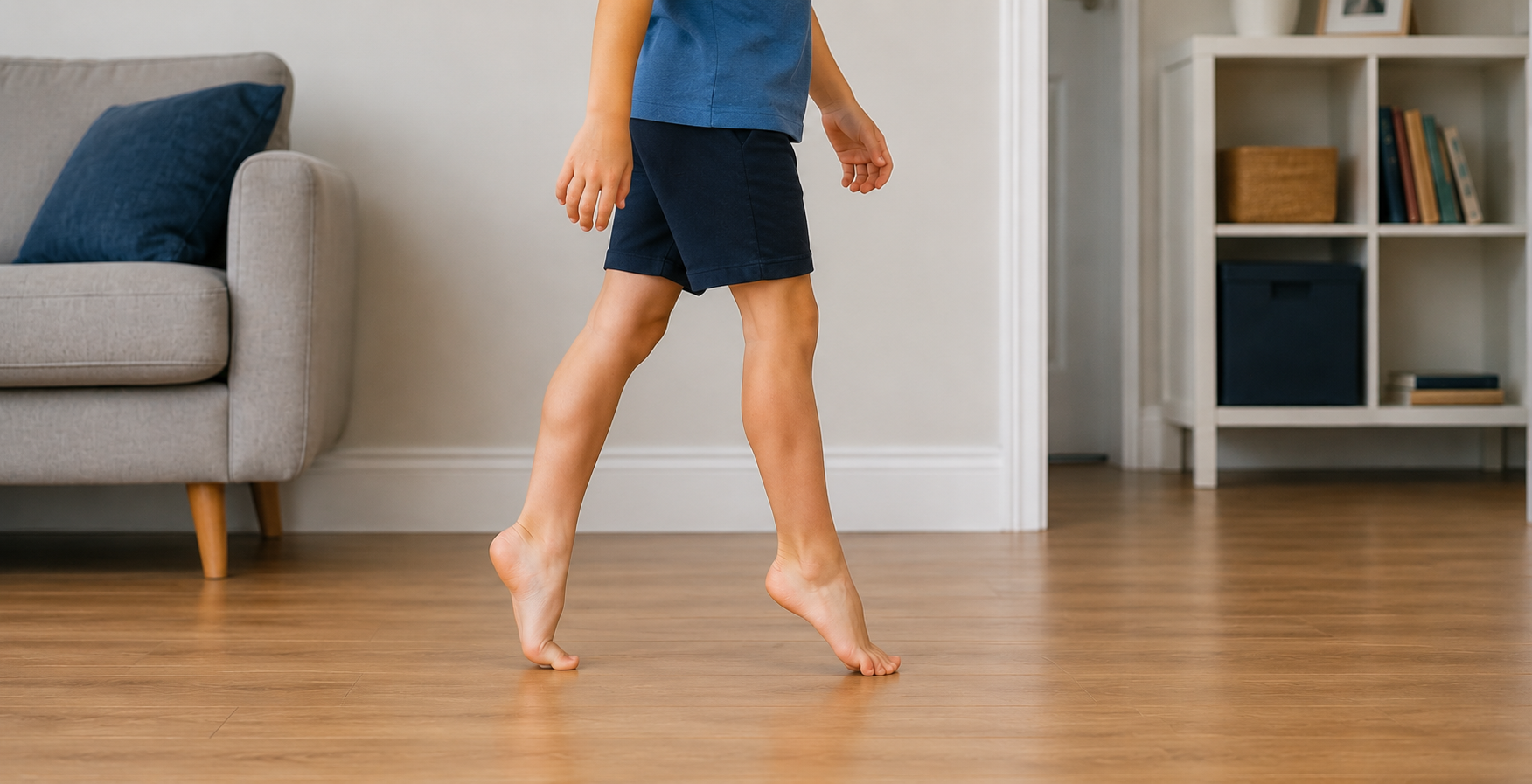
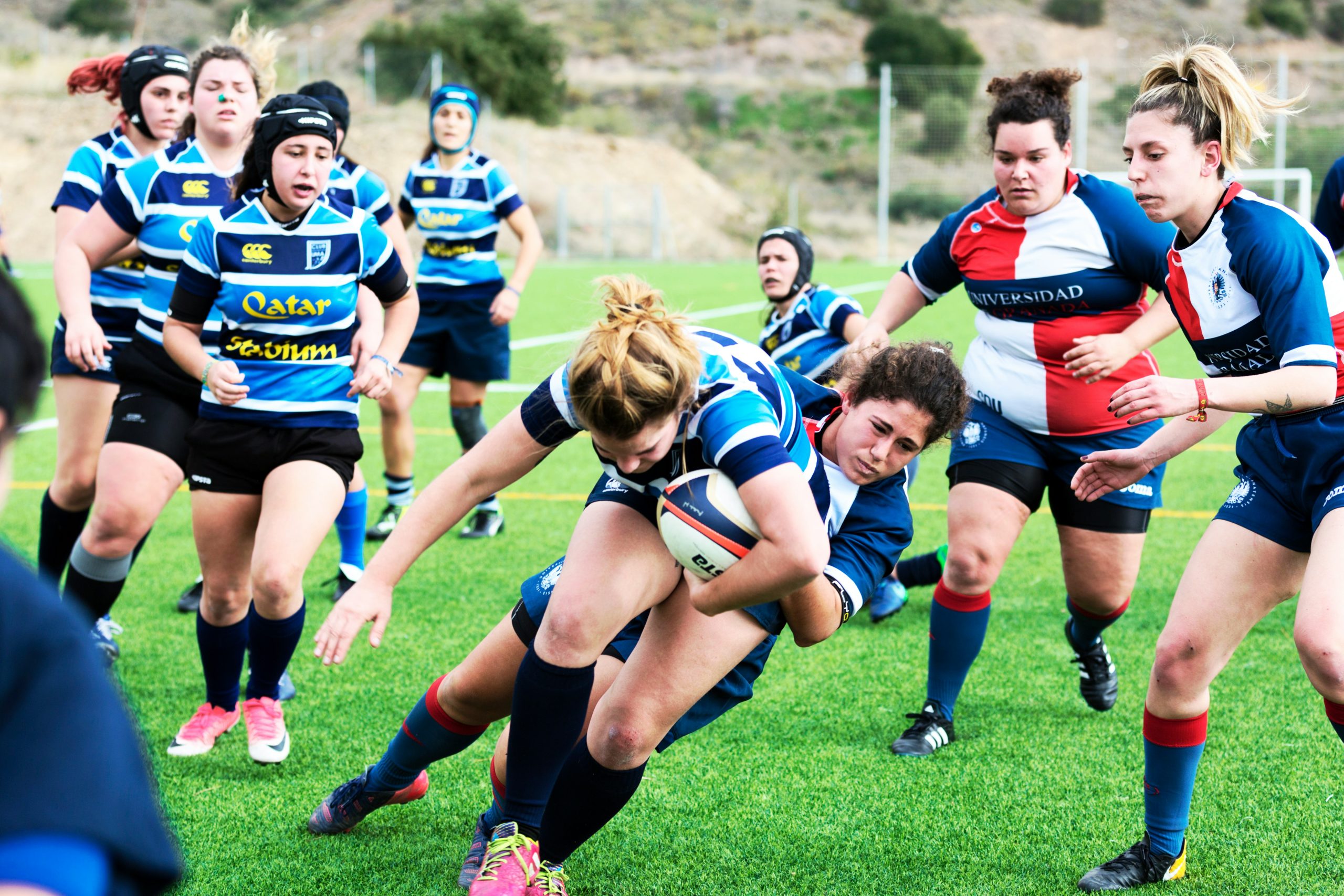
It is most commonly seen in physically active children who participate in running and jumping sports such as football, athletics and gymnastics. Symptoms typically include pain at the back or bottom of the heel, tenderness when squeezed from both sides (positive heel squeeze test) and discomfort during or after activity.
Calcaneal apophysitis is recognised as a self-limiting condition associated with skeletal immaturity, meaning symptoms generally resolve once the growth plate closes (age 12-15). However, without appropriate management, pain can persist for several months and significantly limit participation in sport.
What causes calcaneal apophysitis?
Calcaneal apophysitis is considered an overuse injury of the heel growth plate. Several contributing factors have been identified:
- Rapid growth: During growth spurts, bones can lengthen faster than muscles and tendons adapt, increasing tension through the Achilles tendon and at the apophysis
- Repetitive loading: Running and jumping activities increase traction forces at the heel
- Tight calf muscles: Reduced ankle flexibility increases stress at the apophysis
- Foot biomechanics: Excessive pronation (rolling inwards of the foot) may contribute to increased heel strain in some children
How is calcaneal apophysitis diagnosed?
Diagnosis is usually made during a clinical examination. A specialise paediatric physiotherapist or doctor will take a detailed history and pair this with a clinical examination of the foot, ankle and lower limbs.
Imaging such as X-rays is not routinely required unless symptoms are atypical or there is concern about other causes of heel pain.
How is calcaneal apophysitis treated?
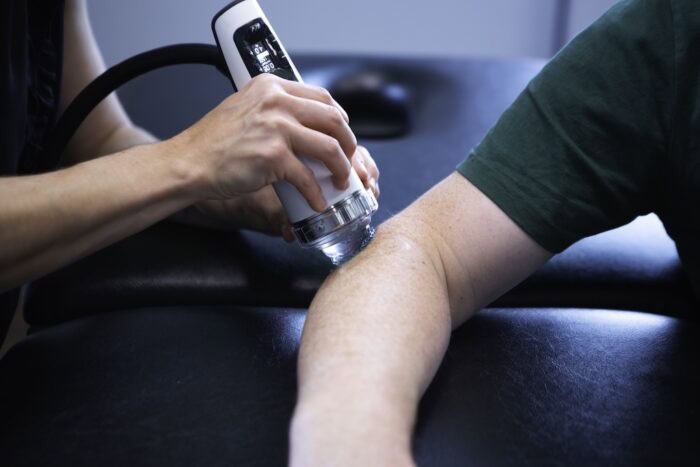
Physiotherapy is the primary treatment for calcaneal apophysitis. Physiotherapy typically includes:
Education: Helping children and parents understand load management during growth spurts.
Activity modification: Temporarily reducing high-impact activities to allow symptoms to settle, rather than complete rest
Strengthening exercises: Gradual strengthening of the calf and lower limb to improve load tolerance
Targeted stretching: Improving calf muscle flexibility to reduce traction forces at the heel
Heel lifts or orthoses (if indicated): Provide temporary support to reduce strain on the growth plate
Crucially, children with heel pain should be assessed and treated by a physiotherapist who has undergone specialist training in paediatrics. Growth-related conditions require an understanding of skeletal development, appropriate exercise dosing for children, and safe return-to-sport planning. A physiotherapist with paediatric expertise can tailor a programme specific to your child’s stage of growth and sporting demands.
With early intervention and structured rehabilitation, most children return to full activity without long-term issues.
Help your child get back to sport — pain free!
Heel pain during growth can be frustrating, but it is highly manageable with the right approach. Early assessment and personalised treatment guided by a paediatric-trained physiotherapist can significantly shorten recovery time and prevent recurrence.
If your child is experiencing heel pain that’s interfering with activity, we’re here to help. Contact our friendly reception team on 0114 2678181 to book an assessment with one of our paediatric physiotherapy specialists.