Shockwave Therapy | Your roadmap to recovery
Shockwave Therapy | It works!
Chronic tendinopathies and fascial disorders present significant challenges to many people on a daily basis. Often this is due to a stalled or failed natural healing response.
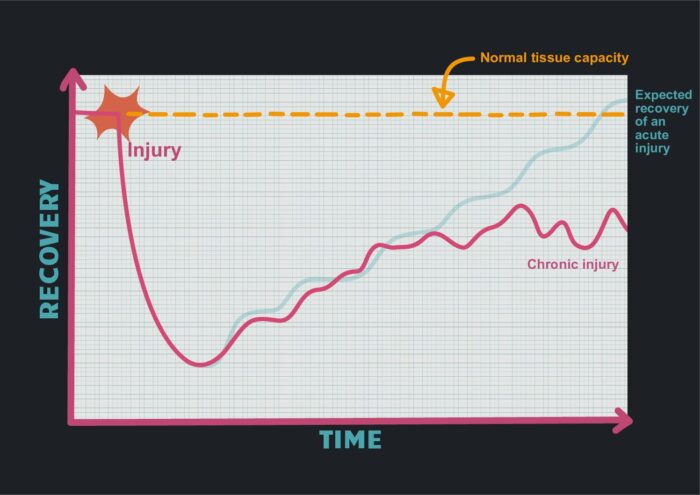
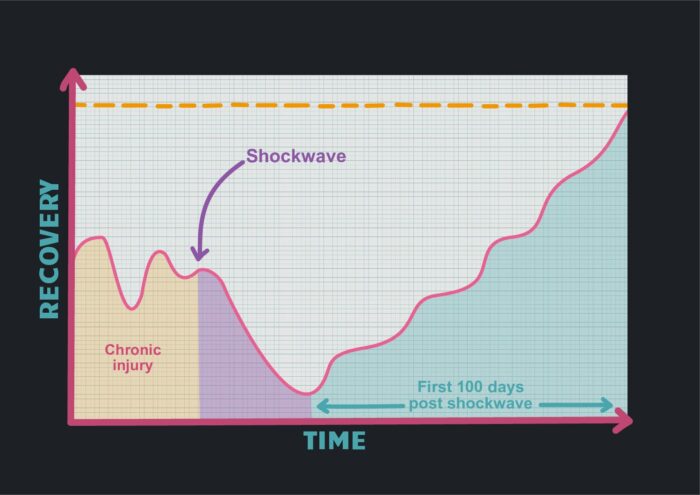
When conservative management yields suboptimal results, Extracorporeal ‘Shockwave Therapy’ (ESWT) serves as an evidence-based intervention to reinitiate the physiological healing cascade.
A substantial body of research supports the efficacy of ESWT for recalcitrant conditions, particularly when combined with a rehabilitation plan. NICE (National Institute for Health and Care Excellence) now recommends Shockwave therapy for a range of conditions:
- Achilles Tendinopathy: Clinical reviews indicate that radial ESWT significantly reduces chronic pain and restores physical capacity.
- Tennis elbow: Systematic reviews demonstrate that ESWT provides superior long-term pain relief and grip strength recovery compared to standard ultrasound therapies.
- Greater Trochanteric Pain Syndrome (GTPS): Evidence indicates that focused ESWT is an effective treatment in managing lateral hip pain when paired with directed exercises.
- Plantar Fasciitis: Extensively studied, ESWT acts as a key non-invasive modality to accelerate cellular repair in stubborn heel pain.
- Calcific Shoulder Tendinopathy: A systematic review showed high-energy ESWT is effective for improving pain and shoulder function in chronic calcific shoulder tendinitis and can result in complete resolution of calcifications. This therapy may be underutilized for a condition that can be difficult to manage.
Shockwave Therapy | What happens during treatment?
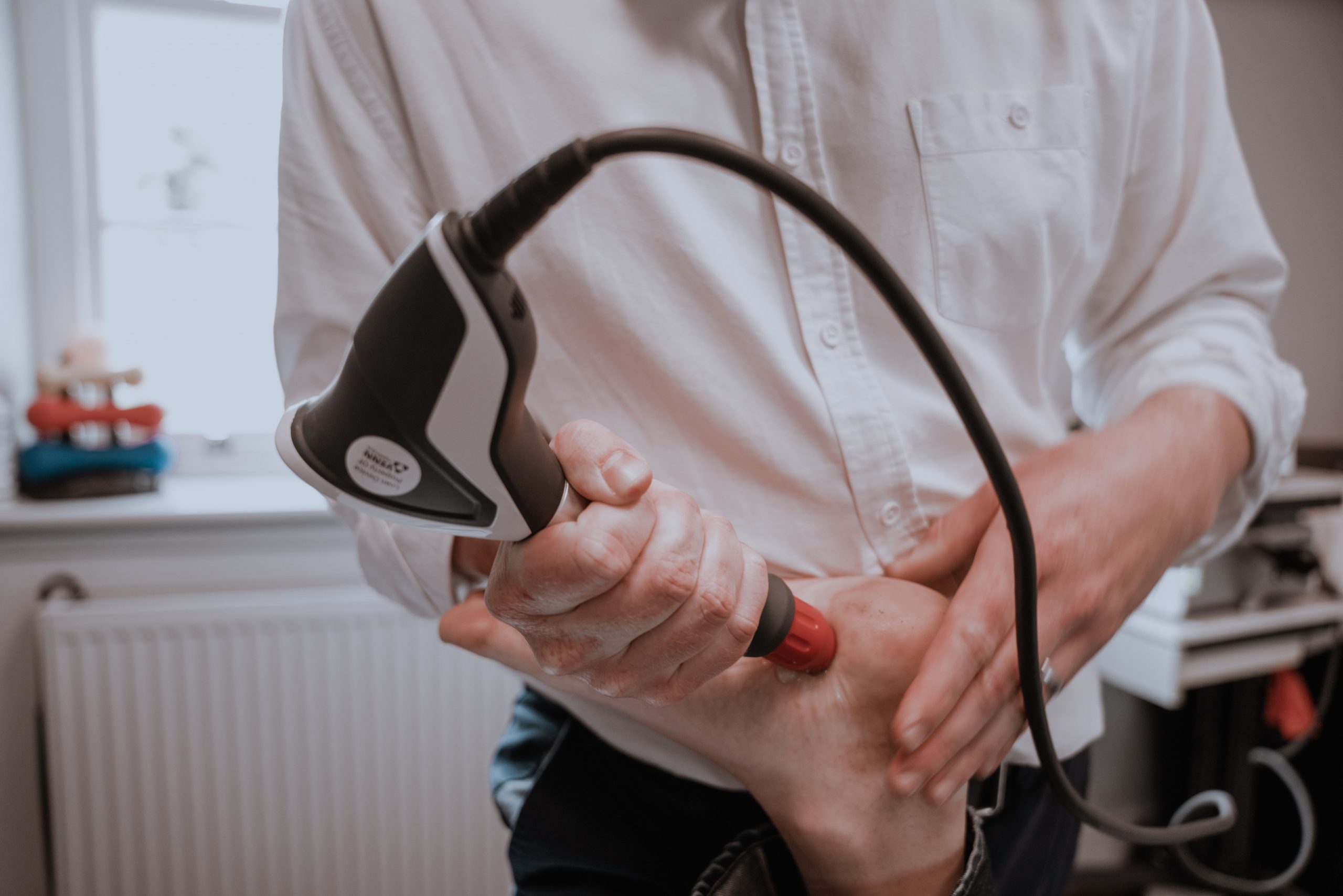
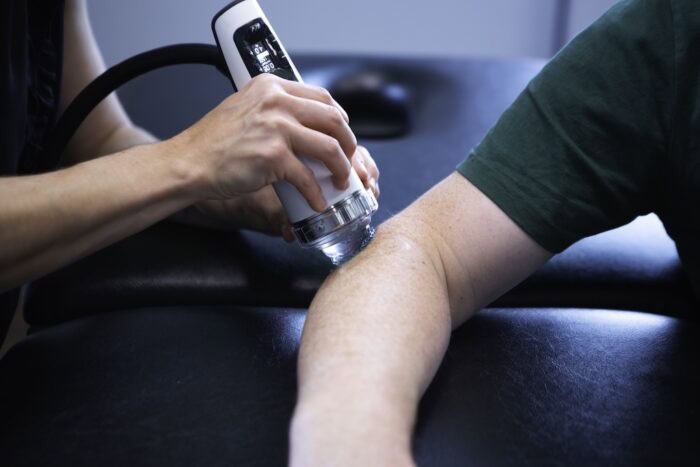
Following your initial assessment, if we have deemed you appropriate for Shockwave therapy, we’ll get started.
How many? | At the physios we offer a course of 4 or 6 sessions of Radial Shockwave treatments, and 3 or 6 sessions of Focussed Shockwave treatments. Which type of Shockwave depends on your condition being treated and length of time you’ve had it for. Check out our previous Shockwave Therapy blog to find out more about this.
How often? | Treatment sessions have to be weekly. The rationale governing this is strictly rooted in tissue biology: a cumulative weekly stimulus of mechanical energy induces micro-trauma that triggers an acute, localised inflammatory response. Amplifying vascular endothelial growth factors and stimulating the production of new collagen helps to provide a fresh start for healthier tissue.
How long is a session? | Sessions will range from 15-30mins depending on which type of Shockwave.
Will it hurt? | To put it simply, yes! However, this is always targeted at being ‘tolerable discomfort’. Each Shockwave machine has different settings that allows us alter the strength of the wave. The aim is to find the sore spots and recreate your symptoms to a manageable level. Ideally, we will aim to increase the strength of the treatment week by week as you become less sensitive. Some mild discomfort can be felt for 24-48hours after treatment but generally this is low level. Often patients will report feeling better initially.
Can I exercise after Shockwave therapy? | It is advised to avoid more vigorous, or impactive exercise in the 24-48 hours after each session. Your Physio will guide you on this.
Other tips | Try to avoid taking any anti-inflammatories or icing the sore area during your Shockwave therapy treatment.
Recovery | How long will it take?
While shockwave is excellent for restarting the healing cycle, it is not a standalone cure! To get lasting results, it must be paired with load management and a progressive strengthening programme. Often patients will notice symptom improvement in the 3-6 week period while perfuming the shockwave treatment. However, most will start to hit their real improvements over the next 6-12 weeks.
Think of shockwave therapy as the catalyst that opens a window of opportunity. Following your treatment, the physiological benefits of targeted exercise are amplified. Progressive loading teaches the newly forming tissue how to line up correctly, ensuring it heals with maximum tensile strength rather than a messy tangle of weak fibres.
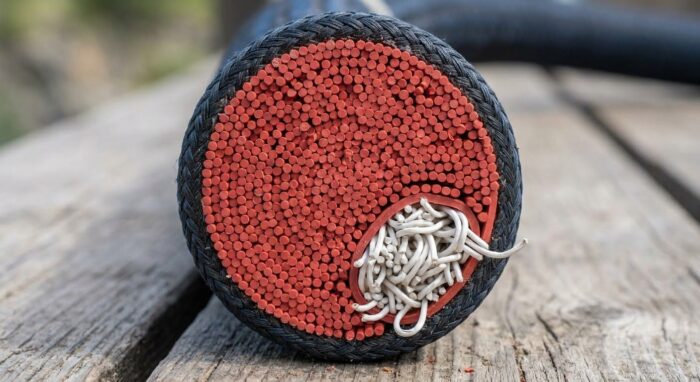
Patience is vital when rebuilding tissue. Collagen—the main building blocks of tendons—follows a strict 100+-day cellular cycle to mature and remodel. Because of this physiological timeline, full recovery and optimal strength can take a minimum of 4 to 6 months to occur.
Shockwave gets the wheels in motion, but your structured rehabilitation programme keeps them turning.
To book an appointment online click here. Alternatively call 01142678181 or email [email protected] if you have any further questions regarding Shockwave Therapy