Running After Injury | R2R training plan

Running After Injury | 2 Simple Steps
Running after injury can be a tricky step. Am I ready to run? How do I know I’m ready to run? What’s the best way to return to running? These are common questions runners want to know having suffered an injury.
65-80% of recreational runners pick up an injury each year. Commonly these are overuse or repetitive strain injuries that can develop steadily over time. Therefore, it can be tricky to know when to stop, and when to try and start running after injury. Check out our blogs on the top 5 running injuries for more info.

A well trodden path is to rest completely, then try again as you were previously. Often this doesn’t work and can almost be detrimental to recovery. The next thing you know it’s been months and your runs are getting fewer and far between, and your injury is getting worse. Ultimately, it’s time to get some treatment!
You need a Return To Run (R2R) training plan. A step-by-step, progressive plan that allows your injury to heal, heal well, strong enough to take the impact of running again, and not overload too soon.
3 Pain Rules

If you are experiencing pain then follow these 3 simple rules. You will be less likely to aggravate your symptoms, more likely give your body the chance to heal well, and ensure you do not cause any lasting damage:
- Rule 1: Intensity > 3/10 – if you perceive the pain to be more than 3 out of 10 on your pain scale you will most likely be causing more damage/irritation. So STOP!
- Rule 2: Progression > if the pain increases as you carry out an activity, it is likely to be causing more damage/irritation. So STOP!
- Rule 3: Recovery > if it takes longer than 24 hours for the pain to recover from an activity, it’s likely you have done a bit too much. Therefore, next time, reduce what you did until you pass the 24 hour rule.
Step 1 | Pass the R2R pre-tests
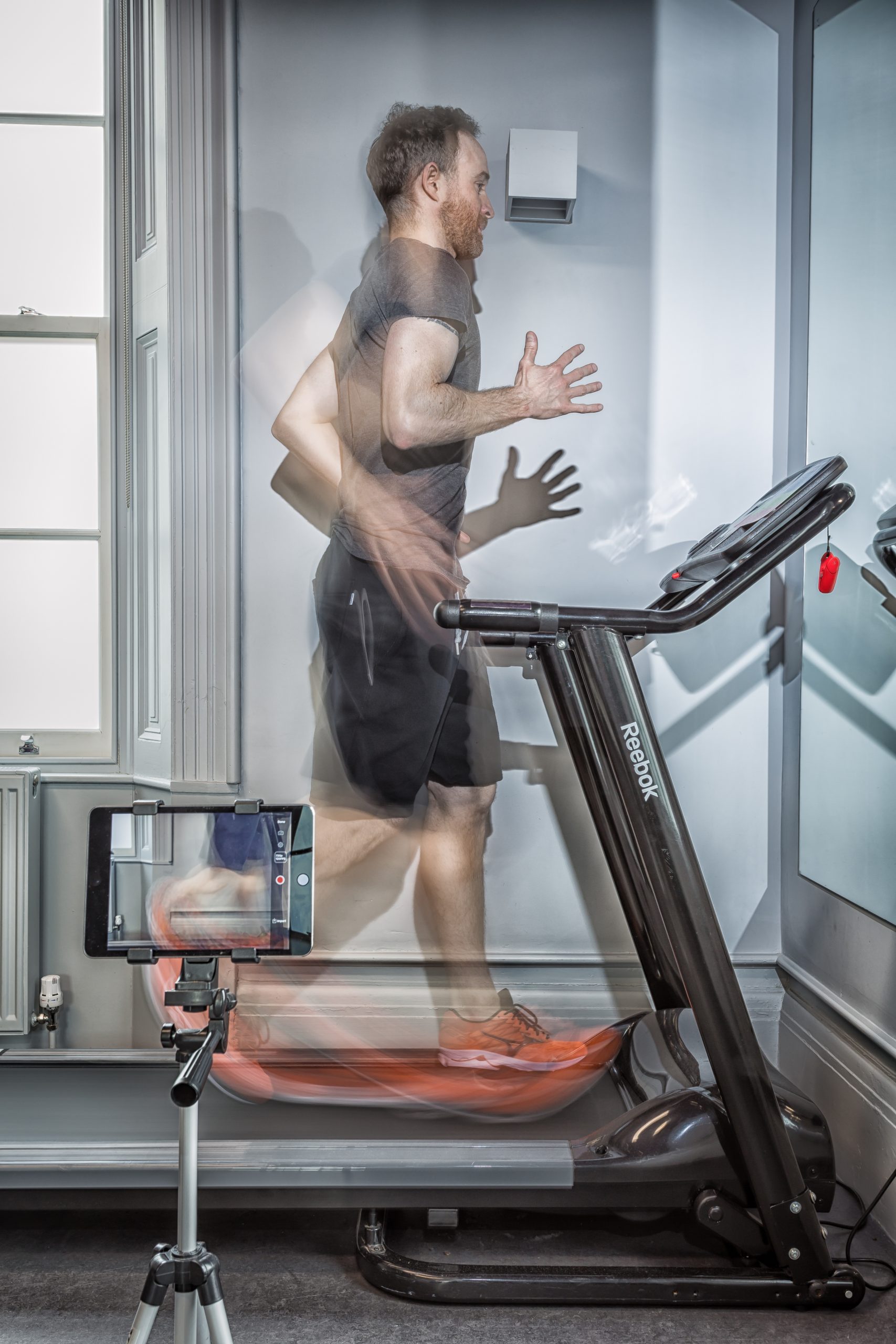
There are 2 simple, functional tests that you can use to establish if you’re safe to start running after injury without causing further problems. If you can do these 2 tests for 20-30 secs with zero or minimal pain then you can move on to step 2.
Running On The Spot Test
Hop Test
Step 2 | R2R training plan
Once you have passed step 1 you can begin a progressive return to running after injury programme using our R2R training plan. Below highlights the main structure and goals of the R2R training plan:
- Run at a steady pace on a (relatively) flat route during the whole plan
- Begin with 2 weekly runs
- Build from interval run:walks to consecutive runs
- Ensure a minimum of 24 hours rest/recovery time between runs. No consecutive days!
- Mix in strength and mobility workouts or your Physio exercises to complement your runs
- Incorporate our 7 series workouts aimed at rehabbing runners
- Builds to 6 weeks | 30mins (approx 5km) as a goal
Take a look and download our R2R training plan below
Only progress the running minutes up if your pain:
- Doesn’t exceed what is a mild awareness or 3/10 on your pain scale
- Doesn’t get any worse during your run
- Recovers well within 24 hours of the previous run
R2R Progression

Once you’re back to running 30mins consecutively on a flat-ish route then the R2R training plan can stop there at 6 weeks, or you can progress on as below:
- Build to 60mins (approx 10km distance) over the next 6 weeks
- Add in a 3rd weekly run
- Increase your long, steady run by 5mins or approx 1km week by week
- Only increase the distance of 1 of your runs in the week, the others stay short
- Once you reach more towards the 60mins or approx 10km distance then you can bring back the bigger hills and tempo/speed work
Our blog on the perfect running week will guide you to organise your own running plan. Plus, try out our 7 Series videos. A series of 7 minute workouts to help get you ready to runner, stronger & quicker.
For more useful information and tips on everything running related go to our Runners Hub section of the website.
Remember…
Running is Evolving. Keep up with the pace!